Entry · Ref 8H3N-_Z8
Top Spots for Jamaican Food in Denver You Need to Try
- Posted
- 2026-09-24
- Last amended
- 2026-09-24
- Account
- @messiahqhka428
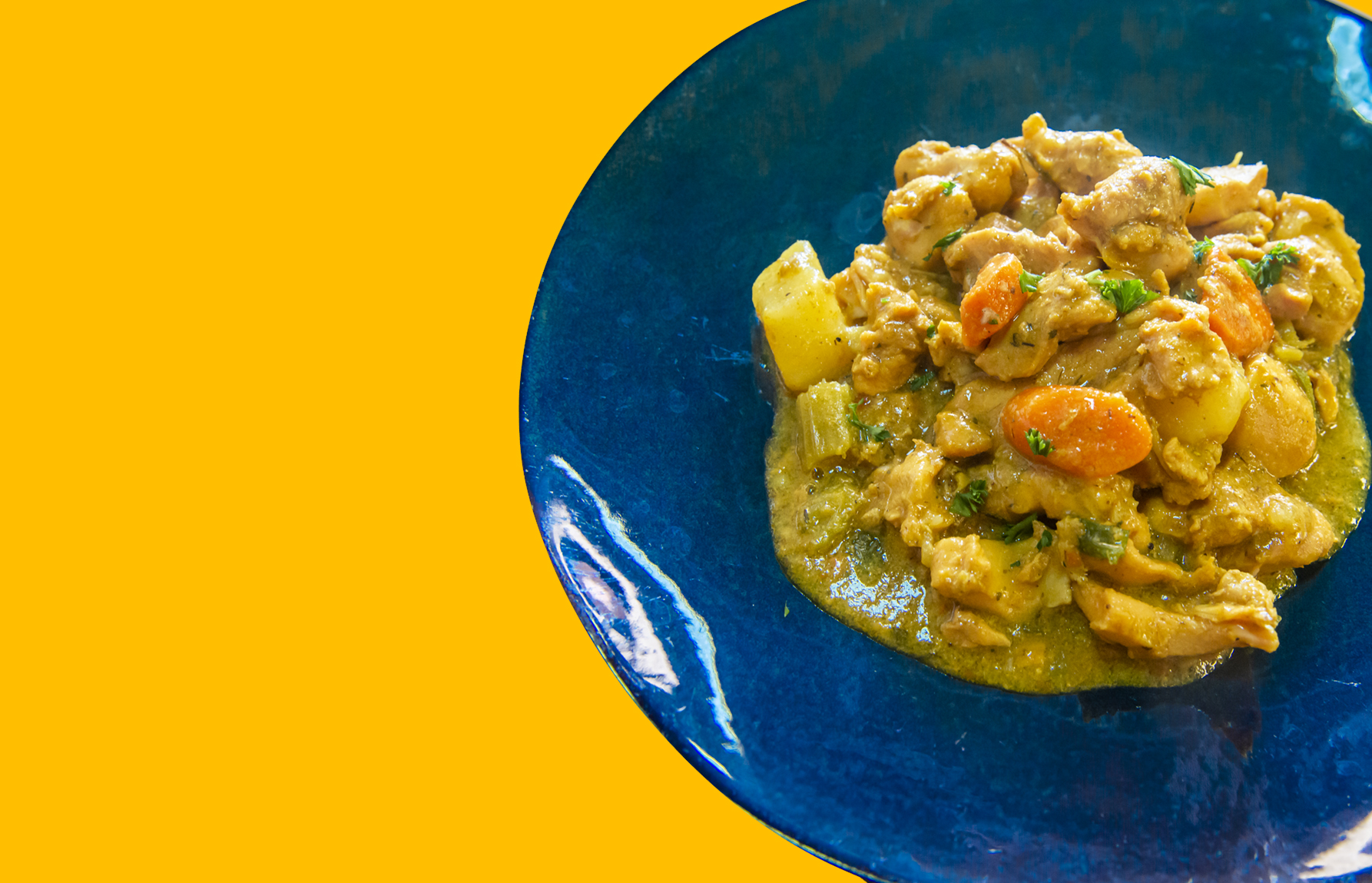
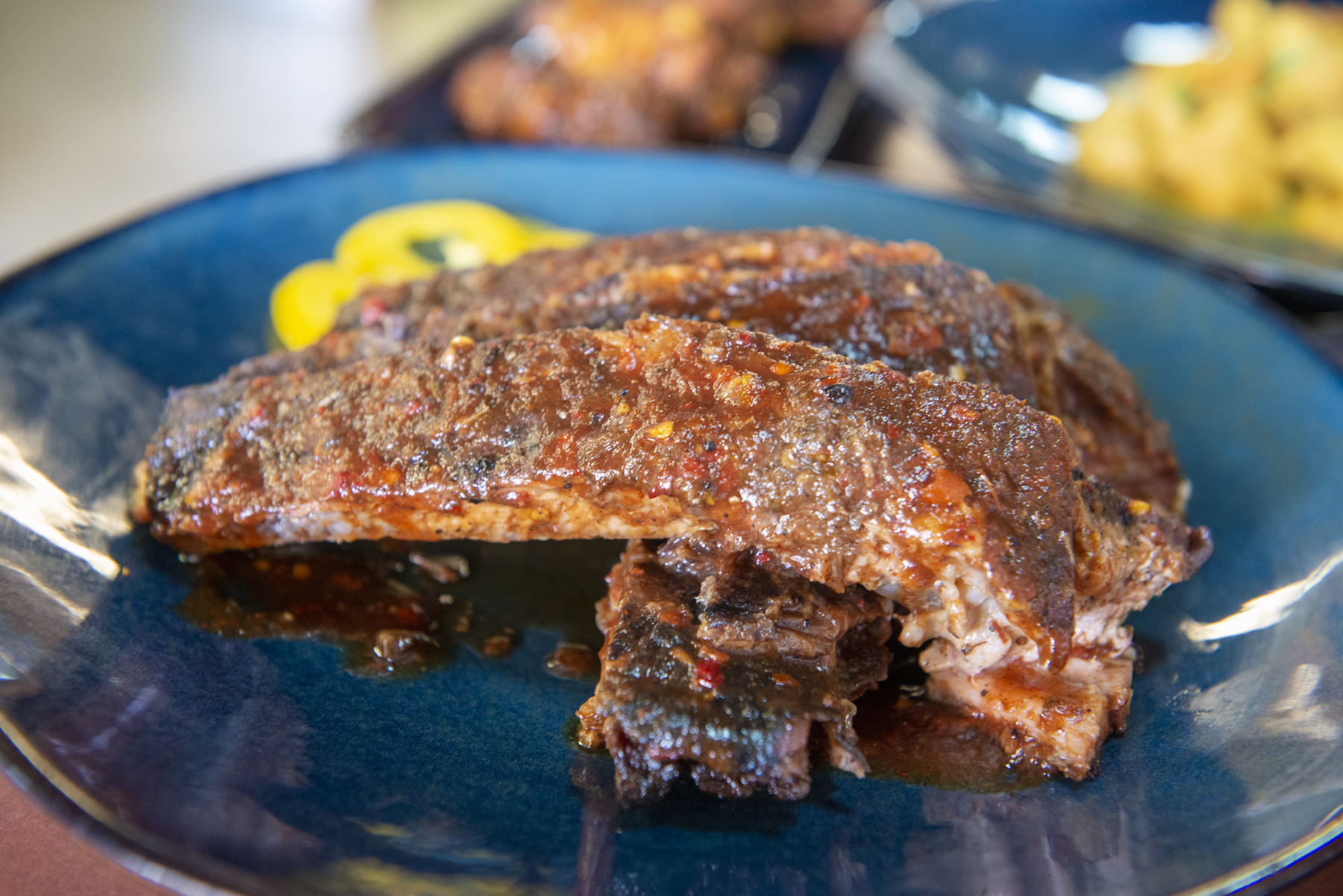
Denver is not the first American city people name when they talk about Caribbean cooking. That usually means New York, South Florida, maybe Atlanta or D.C. But that assumption misses something important. In a city where diners chase regional Mexican food, old-school steakhouses, Ethiopian platters, and strong Vietnamese pho, there is also a smaller, quieter Jamaican food scene that rewards anyone willing to drive a little farther and order with curiosity.
The phrase jamaican food denver gets searched for a reason. People want more than generic “island” branding. They want jerk that actually tastes like pimento and smoke, curry goat with depth instead of heat for heat’s sake, rice and peas that carry their own flavor, and plantains cooked by someone who understands exactly when sweet becomes caramelized and when soft becomes mushy.
Denver’s Jamaican options are not endless, and that is part of the reality here. You may need to cross city lines, head into the suburbs, or plan around weekend hours, food truck schedules, or a dish that sells out early. Still, if you know where to look, the payoff is real.
What makes a Jamaican spot worth your time
Before getting into where to go, it helps to know what separates a genuinely satisfying Jamaican meal from a place that just uses the language of jerk without the substance. A strong Jamaican kitchen usually gets the fundamentals right long before the plate hits the table.
The first tell is aroma. If you walk in and catch allspice, thyme, scallion, Scotch bonnet, and slow-cooked meat in the air, that is a good sign. The second tell is texture. Jerk chicken should not be one-note. The outside needs char or at least a properly roasted edge, while the inside stays juicy. Oxtail should be tender enough to pull apart but not collapse into stringy mush. Curry goat should taste developed, not rushed. Even the sides matter more than people think. Rice and peas should be savory, coconut-kissed, and fragrant. Cabbage should bring freshness, not feel like a sad afterthought.
The third tell is restraint. A lot of places in non-Caribbean markets oversweeten sauces, dull the spice, or bury everything under salt. Good Jamaican cooking carries confidence. It lets the seasoning speak without turning every dish into a dare or a sugar bomb.
With that in mind, these are the Denver-area spots most worth seeking out.
Reggae Pot Jamaican Grill is often the first place locals mention
If you ask around for dependable Jamaican food in the Denver metro, Reggae Pot Jamaican Grill comes up again and again, and for good reason. It sits outside central Denver in Centennial, which means this is not always a spontaneous lunch stop for someone downtown. Still, distance is often part of the Denver dining equation, and this is one of those drives that makes sense once the food lands in front of you.
Reggae Pot earns attention because it focuses on the dishes people actually crave when they want Jamaican food, not a broad, diluted “Caribbean” menu trying to be everything to everyone. Jerk chicken is the obvious anchor. At its best, it delivers that balance diners chase, heat, smoke, and herbaceous depth, with enough moisture in the meat to keep the spices from feeling harsh. The kitchen is also known for braised favorites like oxtail, a dish that exposes weak cooking immediately. You cannot fake a good oxtail plate. It takes patience, proper seasoning, and enough reduction in the gravy to coat the rice instead of running across the tray like broth.
This is also the kind of place where sides matter. Rice and peas should never read like filler, and when they are done well, they make the plate feel complete. Plantains add the sweetness that rounds out the savory meat, while cabbage helps cut through the richness. That interplay is one of the best parts of a proper Jamaican meal, and Reggae Pot tends to understand it.
A practical note that experienced diners learn fast: when a place has a specialty, order the specialty first. If it is your first visit, start with jerk chicken or oxtail before getting experimental. It tells you what the kitchen values.
Jamdown-style cooking shines when the seasoning leads
Another name that surfaces in Denver-area Jamaican conversations is Jamdown Caribbean Cuisine. Menus and locations can shift over time with smaller independent restaurants, so it is worth checking current details before you go, but the appeal of places like this is straightforward. They center the warm, deep seasoning profile that people expect from Jamaican home-style cooking.
At a spot in this lane, I usually look for curry goat before anything else, because goat is where shortcuts show. If the meat is tight, if the curry tastes flat, if the sauce sits on the surface instead of soaking into the rice, the meal never quite recovers. But when it is handled well, curry goat has a lingering, rounded spice that feels layered rather than aggressive. It should taste like it was built over time.
These smaller Caribbean kitchens also tend to excel at dishes that casual diners skip. Brown stew chicken, for example, can be one of the smartest orders on the menu. It is less flashy than jerk, but when done right, it has depth, sweetness from browned aromatics, savory body, and tenderness that can rival much pricier plates elsewhere in the city. The same goes for escovitch-style fish, if available. Fried fish with the bright bite of pickled vegetables brings contrast that heavier braises do not.
One of the pleasures of eating Jamaican food in Denver is that the best meals often come without spectacle. You might be dining in a modest strip-mall space, plastic fork in hand, looking at a tray that seems almost too simple. Then the first bite lands and reminds you that seriousness in cooking does not always announce itself with expensive design.
Food trucks and pop-ups are part of the real story
Anyone writing honestly about Jamaican food in Denver has to acknowledge that some of the most memorable Caribbean cooking in the area does not always live in a permanent brick-and-mortar space. Food trucks, festival vendors, and rotating pop-ups matter here. In a city where entrepreneurial cooks often test demand before committing to a lease, these mobile or temporary setups can be where the most exciting plates show up.
That comes with trade-offs. Menus are smaller. Availability changes. Weather matters. You may fall in love with a jerk pork plate and then have to wait two weeks to find that vendor again at a brewery lot or community event. But there is upside too. Cooks working from trucks and pop-ups often keep a tighter menu, which can mean more focus and stronger execution.
The smartest way to approach Denver’s Caribbean pop-up scene is to treat it like a seasonal advantage rather than an inconvenience. During warmer months, watch local market calendars, neighborhood festivals, and brewery collaborations. Caribbean food does especially well in those settings because the aromas carry, the grill work gets attention, and people are already in the mood for bold, satisfying flavors.
If you come across a Jamaican pop-up with a short menu, that can be a very good sign. A kitchen offering jerk chicken, curry goat, rice and peas, cabbage, and maybe a patty or rum cake is often telling you exactly where its strengths lie. I have had more than one memorable Caribbean meal in Colorado served from a container with barely enough room to stand in, and that experience has made me more skeptical of large menus and more respectful of focus.
Why some Denver diners swear by neighborhood Caribbean kitchens
Not every worthwhile plate in this category comes from a place that markets itself with “Jamaican” front and center. Some neighborhood Caribbean kitchens in and around Denver blend influences from Jamaica with broader island cooking. Purists can debate the boundaries, but diners tend to be more practical. If a kitchen serves a convincing jerk plate, proper patties, and slow-braised meats with authentic seasoning, people return.
This matters because Denver’s Caribbean food scene is relatively small, and rigid definitions can make diners overlook strong meals. The better approach is judgment. Ask what the kitchen does best. Look at who is ordering what. Pay attention to whether the seasoning tastes distinct and intentional. There is a difference between a restaurant that genuinely cooks from Caribbean traditions and one that simply drops a “jerk” label on grilled chicken.
One thing I appreciate in these mixed Caribbean spaces is the chance to compare cooking styles. Jamaican food tends to emphasize smoke, spice, and deep braising, while neighboring island traditions may lean in different directions with starches, sauces, or seafood. For diners who are still learning the landscape, that comparison can sharpen your palate. It teaches you to notice why a Jamaican curry tastes different, why patties vary, or why one cabbage side feels bright and useful while another is just there to occupy space.
The dishes to focus on if you want the best first impression
Ordering well matters, especially at restaurants where the menu is broader than what the kitchen can execute at the same level every day. If it is your first time trying Jamaican food in Denver, these are the dishes most likely to tell you whether a spot is worth a return trip:
- Jerk chicken, because it reveals the kitchen’s command of seasoning, heat, and texture.
- Oxtail, because there is no way to fake patient braising.
- Curry goat, because good curry needs more than powder and spice.
- Rice and peas, because sides expose whether a kitchen cares about the whole plate.
- Beef patty, if offered, because it shows range and technique in a smaller format.
That short list is not meant to limit you. It is simply a useful way to separate signature dishes from menu filler. Once you know a place handles those staples well, then it makes sense to branch into brown stew chicken, https://claytonyfsz603.moderncairn.com/posts/a-food-lover-s-guide-to-jamaican-food-in-denver fried fish, soup specials, or dessert.
A word on spice, smoke, and expectations
One reason people sometimes leave disappointed after searching for jamaican food denver is simple misalignment. They expect every jerk dish to taste like it came off a roadside grill in Jamaica. That is rarely realistic, especially in a landlocked city with different regulations, equipment, and customer expectations. Some Denver-area kitchens adjust heat levels. Some rely more on oven roasting than traditional pimento wood smoke. A few soften their edges to suit a broader audience.
That does not automatically make the food bad. It just means you should order with awareness. If you want serious heat, ask. If you care most about smoke, ask that too. Smaller independent restaurants often appreciate direct, respectful questions from diners who know what they are looking for. In many cases, the staff will steer you toward the right dish or tell you which days are strongest for certain items.
I learned long ago that the best Caribbean meals in smaller markets often come when you stop trying to force a restaurant to be something else and instead meet it on its own terms. Maybe the jerk is a little less smoky than your favorite version in Brooklyn, but the oxtail gravy is excellent. Maybe the curry goat is the standout, not the chicken. Maybe the patties sell out by late afternoon, so dinner is the wrong time to judge them. Those details matter.
When the drive is worth it, and when it is not
Denver diners are used to driving, but not every meal deserves a 35-minute cross-metro commitment. Jamaican food usually does when the kitchen gets the braises right. Dishes like oxtail, curry goat, and brown stew chicken travel better than many delicate restaurant foods. In fact, some of them taste even better after a few minutes in the container as the rice absorbs more gravy.
Jerk chicken is more variable for takeout. If you live far away, the skin or char can soften on the ride. That is not necessarily a dealbreaker, but if texture matters most to you, eat it on-site or as close to pickup as possible. Fried fish is another dish that loses speed once boxed. You can still enjoy the flavor, but crispness is fleeting.
On the other hand, if a place seems to be stretching itself with an overly broad menu, or if everything arrives heavily sauced to compensate for weak seasoning, that long drive starts to feel expensive. The Denver metro has enough strong food now that “good enough” is not always enough, especially when you are crossing multiple neighborhoods for one cuisine.
How to spot a place that is serious before you order
There are a few signs, subtle but reliable, that a Jamaican restaurant is operating with care. None of them are foolproof, but together they tell you a lot.
First, look at the steam table or serving line, if visible. Braised dishes should look glossy and rich, not dried out or floating in thin liquid. Second, listen to the staff. If they can explain the difference between brown stew and curry goat, or tell you what is especially good that day, the odds improve. Third, notice what regulars are doing. Repeat customers at Caribbean spots rarely order randomly. They know what the kitchen nails.
Another clue is patience. Jamaican cooking is not fast food in the usual sense, even when it is served quickly. If a kitchen sells out of certain items by evening, that may be annoying in the moment, but it often signals honest demand and small-batch cooking rather than industrial overproduction.
A few practical habits make the experience better
You do not need a strategy session to eat well, but Denver’s Jamaican spots reward a little planning.
Check hours before you leave, especially for smaller operators. Verify whether the place has dine-in seating or is mainly takeout. If you are ordering for a group, mix your proteins so you can compare. And if there is a house-made drink or dessert available, it is usually worth considering. A meal built around heat, spice, and rich gravy benefits from a sweet or cooling finish.
Here are the only habits I consistently recommend:
- Go earlier in the day if you want the full menu.
- Order at least one braised dish and one grilled dish if you are sharing.
- Do not skip the sides, because rice, peas, cabbage, and plantains are part of the meal, not garnish.
- Ask what is popular with regulars.
- Expect a metro-area drive, not always a downtown walk-in.
Those simple choices can turn an average first visit into a much clearer read on what a restaurant actually does well.
The deeper appeal of Jamaican food in Denver
Part of what makes Jamaican food satisfying in Denver is that it offers a different kind of comfort than the city’s better-known staples. Colorado dining often leans into green chile, burgers, barbecue, ramen, tacos, and mountain-hearty fare. Jamaican cooking scratches another itch entirely. It gives you smoke without American barbecue conventions, spice without relying solely on capsaicin, and braised richness that feels soulful rather than heavy for its own sake.
It also brings a welcome sense of directness. A good Jamaican plate does not need much explanation. Protein, rice and peas, vegetables, sauce, maybe plantains, sometimes a patty on the side, that is enough when every component is seasoned with intent. There is no need for decorative flourishes or clever reinvention. In a dining culture that sometimes mistakes complexity for quality, that clarity feels refreshing.
Denver may never have the density of Jamaican restaurants found in larger Caribbean hubs, but scarcity can sharpen appreciation. You remember the places that get it right. You remember the jerk with real depth, the oxtail that justifies the price, the curry that lingers long after lunch. And once you find a spot that consistently delivers, you tend to stay loyal.
For anyone serious about finding the best jamaican food denver has to offer, the smartest move is simple. Start with the established names like Reggae Pot Jamaican Grill, keep an eye on smaller Caribbean kitchens and pop-ups, and judge every plate by seasoning, balance, and care rather than hype. Denver’s Jamaican scene may require a little more effort than some cuisines in town, but that effort is usually rewarded on the first forkful of rice soaked in gravy.
Reggae Pot Jamaican Grill
Address: 2243 S Monaco St Pkwy #104, Denver, CO 80222
Phone number: +17204102956
FAQ About Jamaican Food Denver
What is typical Jamaican food?
Typical Jamaican food features bold, vibrant flavors created by blending African, Taino, European, and Asian influences.
What is a famous Jamaican dish?
Ackee and saltfish is Jamaica's national dish, made by sautéing the soft local ackee fruit with salted cod, onions, tomatoes, and spicy Scotch bonnet peppers.
What food is most popular in Jamaica?
The most popular and famous food in Jamaica is Jerk Chicken, celebrated worldwide for its smoky, spicy flavor.